
Identity fraud affects individuals and businesses both financially and personally each year, so accurately verifying user identities is key for protecting against fraud and providing a safe digital experience.
Zero Trust operationalizes NIST SP 800-63-4 with adaptive, continuous verification and hardware authenticators for continuous verification and real-time risk scoring and dynamic MFA orchestration delivering strong security posture while guaranteeing nist 800-63-4 ial3 compliance.
FedRAMP High
FedRAMP Authorization at its highest level mandates 421 security controls designed for systems where breaches could have catastrophic repercussions, providing superior protection of mission-critical federal information. In comparison to Moderate authorization levels, High goes much deeper into both technical and administrative aspects of security: this includes comprehensive documentation, continuous monitoring/vulnerability scanning/scanning as well as an incident response and contingency planning plan requiring thorough documentation and comprehensive contingency plans; although this added rigor adds significant cost and time into the FedRAMP process overall it also establishes a mature security program which should last decades longer than its predecessors!
FedRAMP High certification validates a provider’s advanced capabilities, creating unwavering credibility with other government and commercial customers alike. Such an affirmation often opens doors to lucrative federal contracts supporting national security or law enforcement functions or in heavily regulated commercial markets that share similar security concerns.
FedRAMP High Identity Proofing Requirements set strong authentication and cryptographic protections that resist phishing attacks, with hardware-anchored security using physical chips in ID documents such as passports to validate people’s identities – an impressive advancement over traditional methods using visual scans or digital photos which can easily be falsified. Furthermore, this increased level of assurance includes monthly scans with immediate remediation deadlines to detect cyber attacks against enrollment processes, plus training of an agent overseeing this verification process.
NIST SP 800-63-4
The Digital Identity Guidelines offer a modular framework for creating, verifying, and managing identities. It sets forth normative requirements for identity proofing, enrollment, authentication protocols, federation and assertions as well as privacy guidance and considerations related to each process.
To meet these security requirements, RPs must select an initial assurance level (IAL). At its most basic level, IAL1 involves self-asserted credentials verified by trusted agents; higher levels require more stringent authentication processes such as live face match against official ID documents or biometric binding with hardware authenticators authentication mechanisms. When risks of compromised personal information are low and more effective security solutions exist without needing an IAL, some systems may operate without one altogether.
As part of their efforts to ensure personal information is stored safely and processed appropriately, RPs must conduct privacy risk analyses of every process that processes or utilizes personal data. These risk assessments should be documented and published clearly; furthermore they should contain details regarding any problems with processing personal data which have arisen and how these have been dealt with.
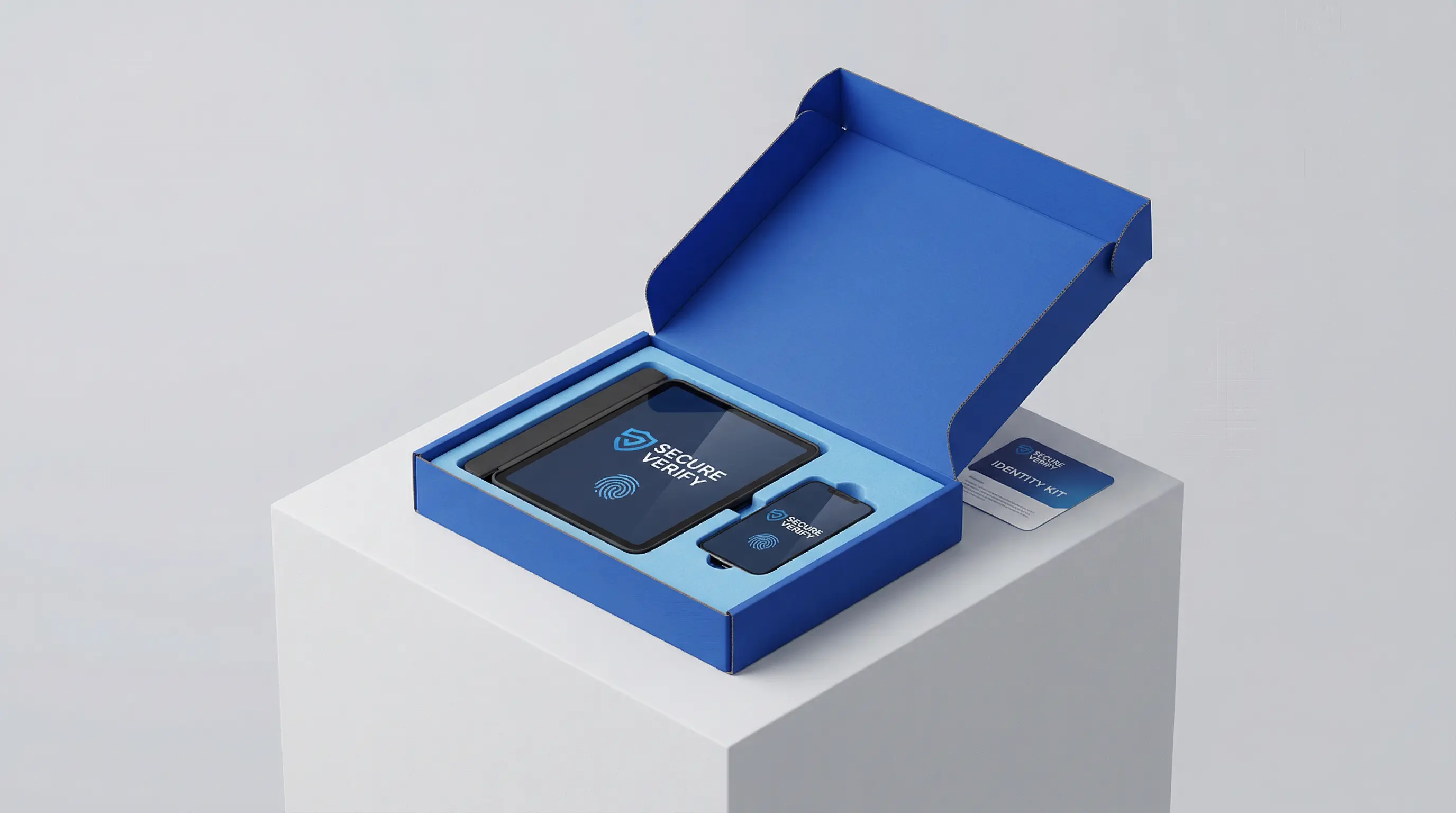
An ial3 identity verification software eliminates the need for staff to travel or visit government offices for verification, trust Swiftly’s tamper-resistant hardware kits ship directly to employees at remote offices, offering them an integrated experience and protecting against deepfake attacks at the same time. Businesses typically experience savings of around 70% in operational costs with this approach while improving user experiences and mitigating risks from local traffic interception.
Authentication
Authentication is the process of verifying someone’s identity through various methods, such as face-to-face meetings, mobile devices, or online applications. To be secure and robust against attacks such as phishing and malware that bypass traditional perimeter security measures. In a Zero Trust world authentication is vital. With IAL3 organizations can build strong and resilient identity architectures while protecting themselves against synthetic identities that can bypass traditional perimeter measures.
Identity federation is a method of providing online services with access to credentials of another relying party (RP), enabling users to securely use multiple online services without providing unique credentials for each one. Federated authentication relies on attribute exchange and requires a trusted entity such as an identity provider (IdP) or credential service provider (CSP). Federated authentication also supports subscriber-controlled wallet models which provide an improved customer experience and reduced costs.
AAL1 authentication involves verifying the existence of an identity and linking it with its claimsor. A CSP should keep records about both claimant and authenticator accounts to provide this level of assurance; such CSPs may include basic cloud tools or public-facing websites where data sensitivity may be minimal.
Enrollment
If FedRAMP doesn’t suit your organization, trustswiftly can assist in switching over to GovRAMP or TX-RAMP for increased revenue growth. By using our IAL3 compliant identity and nist ial3 verification platform with high assurance across access points and devices – and continuous adaptive verification which aligns seamlessly with NIST modular assurance framework – continuous security posture compliance becomes continuous security posture compliance.
Identity proofing and enrollment is an integral component of SP 800-63-4 assurance levels 1 through 3, from IAL1 to IAL3. Our solution designed to meet these requirements for IAL3 meets these criteria by matching both live people to both their ID document photo as well as high-resolution images stored on its digital chip, creating an uncompromising match that makes spoofing impossible.
Enrollment requires CSPs to establish and manage subscriber accounts with authenticators bound to them (see Sec. 2.5 of [SP800-63A], Identity Proofing and Enrollment). Subscribers have a responsibility to manage their authenticators according to policies established by their CSP, such as safeguarding against theft. Furthermore, subscribers must adhere to policies established by their CSP that regulate how attributes and information can be released to RPs for authentication decisions (see Sec. 3.1 of [SP800-63B], Authentication and authenticator management).