
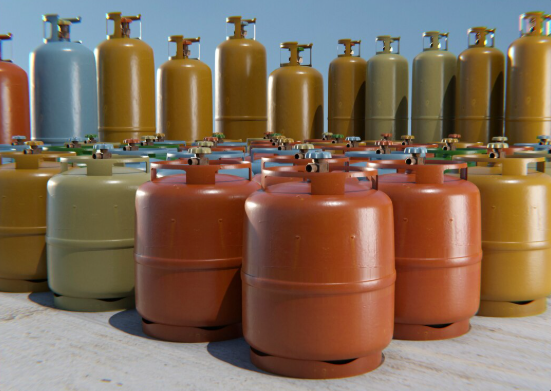
Gas cylinders are widely used in homes, restaurants, laboratories, hospitals, and industrial facilities. Whether for cooking, heating, welding, or medical applications, proper gas cylinder installation and maintenance are essential for safety and efficiency. Incorrect handling can lead to leaks, fire hazards, explosions, or costly damage.
This complete guide will walk you through everything you need to know about safe gas cylinder installation, proper handling, regular maintenance, storage practices, and troubleshooting common problems. By following these best practices, you can ensure safety, compliance, and long-term performance.
Understanding Gas Cylinders
Gas cylinders are pressurized containers designed to store gases such as:
- Liquefied Petroleum Gas (LPG)
- Propane
- Butane
- Oxygen
- Acetylene
- Nitrogen
- Carbon dioxide
Each type of gas cylinder has specific handling requirements, but general safety and maintenance principles apply across most applications.
Key Components of a Gas Cylinder
Before installation, it’s important to understand the basic parts:
- Cylinder body – The main storage container
- Valve – Controls the release of gas
- Regulator – Controls pressure output
- Hose or piping system – Delivers gas to appliances
- Protective cap or collar – Protects the valve during transport
Knowing these components helps you inspect and maintain the cylinder properly.
Gas Cylinder Installation Guide
Proper gas cylinder installation is critical to prevent leaks and ensure safe operation.
1. Choose the Right Location
Location is one of the most important factors in safe gas cylinder installation.
Indoor Installation Guidelines
- Install in a well-ventilated area
- Keep away from direct sunlight and heat sources
- Place upright on a stable, flat surface
- Avoid enclosed cabinets unless properly ventilated
Outdoor Installation Guidelines
- Install on a concrete or non-combustible base
- Protect from rain and direct sun exposure
- Keep away from ignition sources (electrical panels, open flames)
- Maintain clearance from doors and windows
Proper placement reduces the risk of gas accumulation and potential fire hazards.
2. Inspect the Cylinder Before Installation
Always inspect the cylinder carefully before connecting it.
Check for:
- Dents, rust, or visible damage
- Expired certification or test date
- Damaged or worn valve
- Missing safety seal
Never install a damaged or expired cylinder. Report it to your supplier immediately.
3. Install the Regulator Properly
The regulator controls gas pressure and ensures smooth operation.
Steps to Install the Regulator
- Ensure the cylinder valve is closed.
- Remove the protective cap.
- Attach the regulator firmly to the valve.
- Tighten securely without over-tightening.
- Ensure a snug and leak-proof connection.
Never force a regulator onto a mismatched valve type. Always use the correct regulator for your specific gas cylinder.
4. Connect the Gas Hose Securely
- Use approved, high-quality gas hoses.
- Avoid cracked, brittle, or expired hoses.
- Secure hose connections using proper clamps.
- Keep the hose away from sharp edges and heat sources.
Regularly inspect the hose for wear and tear.
5. Perform a Leak Test
Leak testing is a mandatory safety step after installation.
How to Perform a Soap Solution Test
- Mix soap and water in a spray bottle.
- Apply to valve, regulator, and hose connections.
- Open the cylinder valve slowly.
- Watch for bubbles.
If bubbles appear, there is a leak. Close the valve immediately and fix the issue before use.
Never use a flame to check for gas leaks.
Gas Cylinder Maintenance Guide
Routine gas cylinder maintenance ensures safe operation and extends service life.
1. Regular Visual Inspections
Inspect cylinders at least once a month for:
- Rust or corrosion
- Valve damage
- Gas leaks
- Loose fittings
- Damaged hoses
Early detection prevents serious accidents.
2. Keep Cylinders Clean
Dust, grease, and debris can affect safety and performance.
- Wipe the cylinder regularly with a dry cloth.
- Avoid using harsh chemicals.
- Keep valves clean and free from oil or grease.
This is especially important for oxygen cylinders, as oil contact can cause combustion.
3. Monitor Gas Levels
Running a cylinder empty can sometimes cause pressure issues.
- Keep track of usage patterns.
- Replace before completely empty if required for continuous operations.
- Never attempt to refill a cylinder yourself unless properly licensed.
4. Check Expiry and Certification Dates
Gas cylinders require periodic hydrostatic testing.
- Always check the stamped test date.
- Replace cylinders that have exceeded their testing period.
- Follow local regulations regarding inspection intervals.
Using expired cylinders increases risk of rupture.
5. Store Cylinders Properly
Proper gas cylinder storage is just as important as installation.
Storage Safety Tips
- Store upright at all times.
- Secure with chains or straps to prevent tipping.
- Keep in a cool, dry, well-ventilated area.
- Separate full and empty cylinders.
- Keep away from flammable materials.
For industrial settings, follow OSHA or local regulatory storage requirements.
Safety Precautions for Gas Cylinder Handling
Gas cylinder safety should always be a priority.
Never Do the Following
- Never lay cylinders horizontally.
- Never expose to temperatures above recommended limits.
- Never modify or tamper with valves.
- Never roll cylinders on their side.
- Never use damaged regulators.
Transporting Gas Cylinders Safely
During transportation:
- Always secure cylinders upright.
- Use valve protection caps.
- Avoid dropping or dragging.
- Ensure proper ventilation in vehicles.
Improper transport can damage valves and cause leaks.
Common Gas Cylinder Problems and Solutions
Understanding common issues helps prevent emergencies.
1. Gas Leak
Symptoms:
- Smell of gas
- Hissing sound
- Soap bubbles during test
Solution:
- Turn off valve immediately.
- Ventilate the area.
- Do not use electrical switches.
- Contact a certified technician.
2. Low Flame or Inconsistent Pressure
Causes:
- Faulty regulator
- Blocked hose
- Low gas level
Solution:
- Check regulator functionality.
- Inspect hose for blockage.
- Replace cylinder if empty.
3. Regulator Freezing
This can happen with high gas withdrawal rates.
Solution:
- Reduce usage rate.
- Ensure cylinder size is appropriate.
- Consider dual-cylinder systems for heavy use.
Gas Cylinder Installation for Different Applications
Residential LPG Installation
For home cooking gas:
- Install in kitchen with good ventilation.
- Keep away from electrical appliances.
- Maintain at least 1 meter distance from stove.
- Regularly check for leaks.
Commercial Kitchen Installation
Restaurants use higher volumes of gas.
- Install outside building if possible.
- Use manifold systems for multiple cylinders.
- Follow fire safety regulations.
- Schedule professional inspections.
Industrial Gas Cylinder Installation
Industrial gases require additional precautions:
- Install pressure relief devices.
- Use compatible piping materials.
- Follow industry compliance standards.
- Train staff on emergency procedures.
Emergency Response for Gas Cylinder Incidents
Quick action can prevent disasters.
In Case of Gas Leak
- Turn off cylinder valve.
- Open windows and doors.
- Avoid electrical switches.
- Evacuate if necessary.
- Call emergency services if leak is severe.
In Case of Fire
- Do not attempt to extinguish large gas fires yourself.
- Use appropriate fire extinguisher (Class B for flammable gases).
- Inform fire department immediately.
- Keep safe distance.
Preparedness saves lives.
Importance of Professional Inspection
While basic installation can be done by trained individuals, professional inspection ensures:
- Code compliance
- Proper pressure settings
- Leak-free operation
- Long-term safety
For commercial and industrial applications, professional installation is strongly recommended.
Benefits of Proper Gas Cylinder Maintenance
Consistent maintenance offers multiple advantages:
- Increased safety
- Longer equipment lifespan
- Reduced repair costs
- Improved gas efficiency
- Compliance with regulations
Neglecting maintenance increases risk and operational downtime.
Gas Cylinder Safety Checklist
Use this quick checklist regularly:
- Cylinder upright and secured
- No visible rust or damage
- Regulator properly attached
- Hoses in good condition
- No leaks detected
- Adequate ventilation
- Valid certification date
This simple checklist can prevent major accidents.
Frequently Asked Questions About Gas Cylinder Installation
How often should I check for leaks?
At installation and at least once a month afterward.
Can I store gas cylinders indoors?
Yes, if the area is well ventilated and meets safety standards.
When should I replace a regulator?
If it shows signs of wear, corrosion, inconsistent pressure, or after manufacturer-recommended lifespan.
Is it safe to keep spare cylinders?
Yes, but store them upright, secured, and away from ignition sources.
Conclusion
Gas cylinder installation and maintenance are critical aspects of safe gas usage in homes, commercial kitchens, and industrial environments. Proper installation begins with choosing the right location, inspecting the cylinder, securely attaching the regulator, and performing a leak test. Maintenance includes regular inspections, proper storage, checking certification dates, and replacing worn components.
Neglecting gas cylinder safety can result in serious hazards such as leaks, fires, and explosions. However, with routine checks, proper handling, and adherence to safety guidelines, gas cylinders can be used safely and efficiently for years.
Whether you are installing a residential LPG cylinder or managing industrial gas systems, prioritizing safety and maintenance ensures reliable performance and peace of mind. By following this complete guide to gas cylinder installation and maintenance, you can significantly reduce risks while maximizing operational efficiency.
Always remember: safety first, inspection regularly, and when in doubt, consult a professional.