
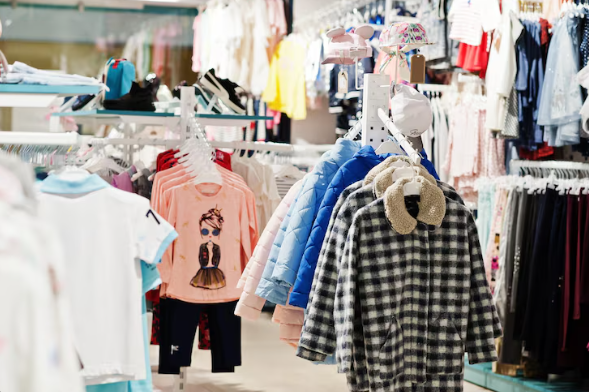
Choosing the right clothing for children is one of the most important decisions parents make. Kids are active, curious, and always exploring the world around them, which means their clothes need to keep up with their dynamic lifestyles. Comfortable kids clothing that combines style and durability is not just a luxury—it’s a necessity. Parents want their children to look good while feeling comfortable, and at the same time, they need clothes that can withstand the wear and tear of daily play. In this article, we explore the importance of comfort, style, and durability in children’s clothing and provide guidance on selecting the best options.
The Importance of Comfort in Kids Clothing
Comfort is the foundation of any child’s wardrobe. When clothes are comfortable, children can move freely, play without restrictions, and focus on learning and exploring rather than being distracted by itchy fabrics, tight waistbands, or restrictive designs. Comfortable clothing is not only about soft materials; it also involves proper fit, breathability, and ease of movement.
Children’s skin is delicate, which makes fabric choice particularly important. Natural fibers like cotton, bamboo, and linen are popular because they are soft, breathable, and gentle on sensitive skin. Cotton, for example, is lightweight, absorbent, and helps regulate body temperature, making it ideal for both warm and cooler seasons. Similarly, bamboo fabric is naturally hypoallergenic and moisture-wicking, keeping children dry and comfortable throughout the day.
Moreover, comfort extends to the design and cut of the clothing. Elastic waistbands, adjustable straps, and loose-fitting garments allow children to move freely without feeling restricted. Avoiding harsh seams, scratchy tags, or overly tight clothing enhances comfort, ensuring that kids remain happy and active.
Balancing Style and Practicality
While comfort is essential, parents also want their children to look stylish. Kids’ fashion has evolved significantly, offering a wide range of trendy designs that do not compromise on practicality. Modern children’s clothing combines vibrant colors, fun patterns, and contemporary designs with features that support an active lifestyle.
One of the key trends in stylish kids clothing is versatility. Multi-functional garments, such as reversible jackets or pants with adjustable lengths, allow children to stay fashionable while accommodating growth and activity. Mix-and-match sets, coordinated separates, and seasonal color palettes also contribute to a stylish wardrobe without sacrificing functionality.
Style in children’s clothing is not just about aesthetics; it is also about encouraging self-expression. Allowing kids to choose clothes that reflect their personality boosts confidence and independence. Comfortable and stylish clothing empowers children to explore their individuality while still being practical for everyday wear.
The Role of Durability in Children’s Clothing
Durability is a critical factor when selecting kids clothing. Children’s activities often include climbing, running, and outdoor play, which can quickly wear out fabrics. Durable clothing ensures that garments last longer, saving parents money and reducing waste. Durable fabrics withstand frequent washing, resist fading, and maintain their shape, even after extended use.
High-quality stitching, reinforced seams, and resilient fabrics contribute to durability. Materials such as denim, corduroy, and certain cotton blends are known for their longevity and resistance to wear and tear. Additionally, double-layered knees, reinforced elbows, and sturdy buttons can extend the lifespan of children’s clothing, especially for toddlers and young children who are particularly active.
Parents also benefit from investing in durable clothing for school uniforms or seasonal wear. Items that can endure repeated washing, rough play, and outdoor activities reduce the need for constant replacements, making them a practical choice for busy households.
Choosing the Right Fabric
Selecting the right fabric is a crucial step in balancing comfort, style, and durability. Different fabrics offer different advantages, and understanding these can help parents make informed choices.
- Cotton: Soft, breathable, and gentle on skin. Ideal for everyday wear and summer clothing.
- Denim: Durable and resistant to wear. Perfect for jeans, jackets, and casual playwear.
- Bamboo: Hypoallergenic, moisture-wicking, and eco-friendly. Great for sensitive skin.
- Fleece: Warm and soft, suitable for colder climates. Retains heat while remaining lightweight.
- Linen: Lightweight and breathable, perfect for hot weather. Offers a casual, stylish look.
- Cotton blends: Combine comfort with durability. Blends with polyester or spandex enhance flexibility and resilience.
When choosing fabrics, parents should consider not only the comfort and durability but also ease of maintenance. Machine-washable fabrics that do not shrink or fade are ideal for busy families who need low-maintenance solutions.
Clothing for Active Kids
Active children need clothing that can keep up with their energy levels. Playwear should prioritize flexibility, movement, and safety. Stretchable fabrics, elastic waistbands, and reinforced areas allow children to climb, run, and play without damaging their clothes.
Sportswear and casual activewear have become increasingly popular for children. These clothes are designed to provide both comfort and durability while allowing freedom of movement. Breathable fabrics and moisture-wicking technology are essential features in activewear, keeping children dry and comfortable during physical activities.
Additionally, outdoor clothing like jackets, raincoats, and snow gear should offer protection from weather conditions while remaining comfortable. Waterproof materials, insulated linings, and adjustable features ensure that children stay warm, dry, and mobile, no matter the activity or season.
Tips for Maintaining Kids Clothing
Even the most durable and comfortable clothing requires proper care to maximize its lifespan. Here are some essential tips for maintaining kids clothing:
- Follow Care Instructions: Always check the labels for washing and drying instructions. Some fabrics require gentle cycles or specific temperatures.
- Separate Colors: Wash bright and dark colors separately to prevent fading or color transfer.
- Avoid Harsh Detergents: Use mild detergents suitable for children’s sensitive skin.
- Repair Minor Damages: Reinforce loose seams, replace missing buttons, and patch small holes to extend the life of garments.
- Rotate Wardrobes: Avoid wearing the same clothes repeatedly; rotating clothing reduces wear and tear.
Proper care not only preserves the appearance and durability of clothing but also ensures that children remain comfortable and safe.
Eco-Friendly and Sustainable Options
Parents today are increasingly conscious of sustainability when purchasing children’s clothing. Eco-friendly fabrics, ethical production practices, and reusable garments are gaining popularity. Sustainable options often combine comfort, style, and durability while reducing environmental impact.
Organic cotton, recycled fabrics, and non-toxic dyes are examples of materials that meet high safety and comfort standards while being environmentally responsible. Durable clothing also contributes to sustainability by reducing the frequency of replacements and minimizing textile waste.
Investing in sustainable kids clothing is not only good for the planet but also beneficial for children’s health. Many eco-friendly fabrics are free from harmful chemicals and allergens, making them safer for delicate skin.
Choosing Age-Appropriate Clothing
As children grow, their clothing needs change. Toddlers require soft, easy-to-wear clothes with simple fastenings, while older children benefit from durable clothing that accommodates their increased independence and activity levels. Selecting age-appropriate clothing ensures both comfort and functionality.
For infants, soft bodysuits, leggings, and sleepwear with gentle fabrics and convenient snaps or zippers make dressing easier. For preschoolers and school-aged children, clothes that support active play, self-dressing, and school uniforms are essential. Teens often prioritize style and personal expression, so offering versatile options that balance comfort, trendiness, and durability is key.
Popular Clothing Items That Combine Comfort and Durability
Certain types of clothing consistently offer both comfort and durability for children:
- T-shirts and Tops: Soft cotton or cotton-blend tops provide daily comfort and are easy to pair with various bottoms.
- Pants and Leggings: Stretchable fabrics and reinforced knees ensure flexibility and longevity.
- Dresses and Skirts: Soft, breathable materials with comfortable fits allow for freedom of movement.
- Outerwear: Jackets, hoodies, and raincoats made with durable, weather-resistant fabrics keep children protected.
- Footwear: Shoes with cushioned soles, breathable linings, and durable construction support active play and foot development.
By focusing on versatile pieces like these, parents can build a practical and stylish wardrobe for their children.
Conclusion
Comfortable kids clothing that combines style and durability is essential for the well-being, confidence, and active lifestyle of children. Parents should prioritize soft, breathable fabrics, age-appropriate designs, and durable construction to ensure that clothing meets the demands of daily play and growth. At the same time, stylish clothing allows children to express themselves and feel confident in their appearance.
By understanding fabric choices, embracing versatile and functional designs, and maintaining clothing properly, parents can create a wardrobe that is not only practical but also fashionable. Investing in quality kids clothing pays off in the long term, saving money, reducing waste, and ensuring that children stay comfortable, active, and happy. Ultimately, the best kids clothing is that which supports a child’s lifestyle while reflecting their unique personality, proving that comfort, style, and durability can coexist seamlessly.