
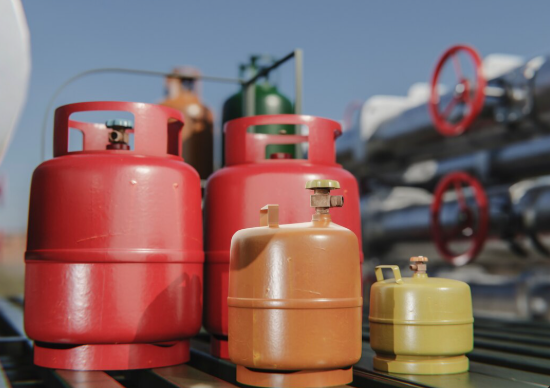
Camping is one of the best ways to enjoy nature, relax, and escape the stress of everyday life. Whether you are heading to the mountains, a forest campsite, or a beachside location, having the right equipment is essential. One of the most important items for many campers is gas bottles for camping. These bottles power portable stoves, heaters, lanterns, and even small grills, making outdoor cooking and comfort possible.
However, choosing the right gas bottle can be confusing for beginners. There are different sizes, fuel types, safety features, and compatibility factors to consider. Understanding these details before buying a gas bottle can help you avoid problems during your trip and ensure a safe and enjoyable camping experience.
This guide explains everything you need to know about gas bottles for camping, including types, sizes, safety tips, and how to choose the best one for your needs.
Why Gas Bottles Are Essential for Camping
Gas bottles play a key role in outdoor camping equipment. They provide a reliable source of fuel that allows campers to cook meals, boil water, and stay warm in colder weather.
Unlike traditional campfires, gas bottles offer several advantages:
- Convenience: Easy to set up and use with portable stoves.
- Efficiency: Quick heating and consistent flame.
- Portability: Lightweight and compact options are available.
- Cleaner fuel: Produces less smoke and residue than wood fires.
For campers who prefer simple and efficient cooking, gas bottles are often the best solution.
Types of Gas Bottles for Camping
Before purchasing a gas bottle, it is important to understand the different types available. Each type is designed for specific camping needs.
1. Butane Gas Bottles
Butane gas bottles are commonly used for camping stoves and portable cooking equipment. They are popular because they are lightweight and easy to transport.
Advantages:
- Affordable and widely available
- Compact and lightweight
- Ideal for warm weather camping
Limitations:
- Not suitable for very cold temperatures
- Lower performance in freezing conditions
Butane gas bottles are best for casual campers and short outdoor trips.
2. Propane Gas Bottles
Propane gas bottles are another common choice for camping. They perform better in colder weather compared to butane.
Advantages:
- Works well in cold temperatures
- Higher energy output
- Suitable for heating and cooking
Limitations:
- Slightly heavier than butane bottles
- Requires proper storage and handling
Propane gas bottles are ideal for winter camping or longer outdoor adventures.
3. Isobutane Gas Bottles
Isobutane is a modified version of butane that performs better in colder conditions. Many modern camping stoves use isobutane fuel canisters.
Advantages:
- Better cold weather performance than butane
- Lightweight and portable
- Efficient fuel usage
Limitations:
- Usually more expensive
- May not be available in all locations
Isobutane gas bottles are often used by hikers, backpackers, and professional campers.
Choosing the Right Size Gas Bottle
Gas bottles come in different sizes, and choosing the right one depends on the length of your trip and the equipment you plan to use.
Small Gas Bottles
Small gas bottles are perfect for short camping trips or backpacking.
Features:
- Lightweight and compact
- Easy to carry in backpacks
- Suitable for portable stoves
However, they may run out quickly if used frequently.
Medium Gas Bottles
Medium-sized bottles provide a good balance between portability and fuel capacity.
Features:
- Ideal for weekend camping trips
- Enough fuel for cooking multiple meals
- Compatible with many camping stoves
They are popular among families and regular campers.
Large Gas Bottles
Large gas bottles are typically used for extended camping trips or group camping.
Features:
- Longer fuel supply
- Suitable for grills and heaters
- Less frequent replacement needed
The downside is that they are heavier and less portable.
Safety Tips for Using Gas Bottles While Camping
Safety should always be a top priority when using gas bottles during camping trips. Although modern gas bottles are designed with safety features, proper handling is still important.
1. Check for Leaks
Before connecting your gas bottle to a stove or heater, check for any leaks. You can apply a small amount of soapy water around the valve and look for bubbles. If bubbles appear, do not use the bottle.
2. Store Gas Bottles Properly
Gas bottles should always be stored in a cool, dry place away from direct sunlight. Excessive heat can increase pressure inside the bottle and cause safety risks.
3. Keep Bottles Upright
Always keep gas bottles upright during storage and use. This helps maintain proper gas flow and prevents potential leaks.
4. Use Compatible Equipment
Make sure your camping stove or appliance is compatible with the gas bottle type you are using. Using the wrong connection can lead to leaks or inefficient performance.
5. Turn Off After Use
Always turn off the gas valve when your stove or heater is not in use. This prevents accidental gas release.
Factors to Consider Before Buying Gas Bottles for Camping
When shopping for camping gas bottles, several factors should influence your decision.
Fuel Efficiency
Some gas bottles burn fuel more efficiently than others. Choosing an efficient fuel option can help you save money and reduce the number of bottles needed during your trip.
Weight and Portability
If you are backpacking or hiking long distances, weight becomes a major factor. Lightweight gas bottles are easier to carry and transport.
Availability
Choose a gas bottle type that is easy to refill or replace in your region. This is especially important for long trips or remote camping areas.
Compatibility with Camping Equipment
Always check whether the gas bottle is compatible with your camping stove, lantern, or grill. Some brands use specific connectors that may not fit all appliances.
Durability
High-quality gas bottles are made from strong materials that resist damage and corrosion. Durable bottles can last longer and provide better safety.
Environmental Considerations
Modern campers are becoming more aware of their environmental impact. When using gas bottles for camping, it is important to follow responsible practices.
- Dispose of empty bottles properly
- Use refillable gas bottles when possible
- Avoid leaving fuel containers at campsites
- Follow local regulations for fuel storage and disposal
Using refillable bottles can significantly reduce waste and environmental impact.
Common Mistakes to Avoid When Buying Camping Gas Bottles
Many new campers make mistakes when purchasing gas bottles. Avoiding these errors can save time and money.
Buying the wrong size: A bottle that is too small may run out quickly, while a very large bottle may be difficult to carry.
Ignoring weather conditions: Some gas types do not perform well in cold temperatures.
Not checking compatibility: Always verify that the gas bottle fits your camping equipment.
Choosing low-quality products: Cheap gas bottles may lack proper safety features.
By considering these factors, you can make a smarter purchase decision.
Tips for First-Time Campers
If you are new to camping, choosing the right gas bottle may feel overwhelming. These simple tips can help:
- Start with a medium-sized butane or propane bottle.
- Test your camping stove at home before your trip.
- Carry an extra gas bottle for emergencies.
- Learn basic safety procedures.
Preparation ensures a smoother and safer camping experience.
Conclusion
Gas bottles for camping are essential tools that make outdoor cooking and comfort much easier. Whether you are boiling water for coffee, preparing meals, or staying warm in cooler weather, a reliable gas bottle is a must-have piece of camping equipment.
Before buying a gas bottle, it is important to consider factors such as fuel type, bottle size, compatibility with your camping gear, and safety features. Butane, propane, and isobutane gas bottles each have their own advantages, and the best choice depends on your camping style and environmental conditions.
By understanding how gas bottles work and following proper safety practices, campers can enjoy a hassle-free outdoor experience. Taking the time to choose the right gas bottle ensures that your camping trip remains safe, convenient, and enjoyable from start to finish.