
Introduction: Why a Floor Plan is Essential for Home Restoration
A well-designed floor plan is the foundation of any home restoration project. It determines how the space flows, how functional each area will be, and ultimately how comfortable your home feels. Whether you’re renovating a small room or an entire house, creating a thoughtful floor plan is essential for maximizing space and ensuring that your restoration goals are met. This blog explores the importance of a floor plan in home restoration and how to approach the design for the best results.
Understanding the Basics of a Floor Plan
A floor plan is essentially a blueprint of your home, showcasing the arrangement of rooms, walls, doors, windows, and other key structural elements. When restoring or remodeling your home, it’s crucial to work with a design that not only suits your personal style but also enhances functionality. Whether you’re opening up a cramped kitchen or adding an extra bathroom, a floor plan ensures that every space is utilized to its fullest potential.
How a Floor Plan Influences Home Restoration Near Me
When searching for “home restoration near me,” it’s important to collaborate with professionals who understand how to create effective floor plans that complement your vision. A skilled contractor or designer can guide you in choosing layouts that will enhance your home’s flow and functionality. Having a detailed floor plan before starting the restoration ensures that the project runs smoothly, stays on budget, and meets your needs.
Tips for Designing an Effective Floor Plan
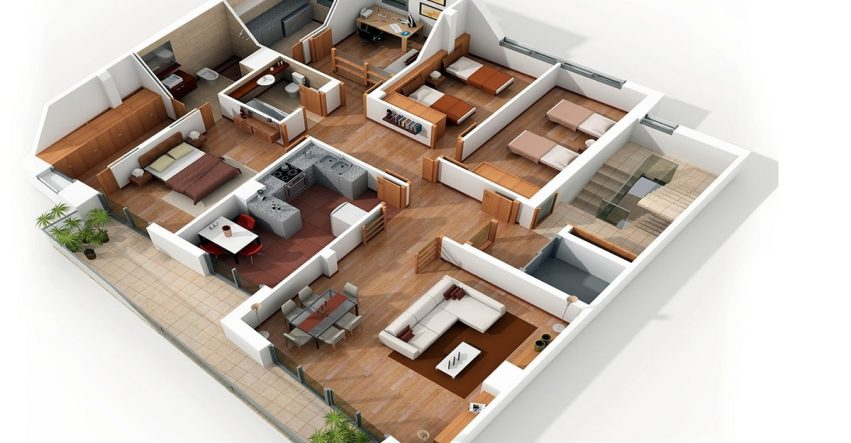
Designing a floor plan for a home restoration project can be overwhelming, but with the right approach, it can also be exciting. Here are some tips to help you get started:
- Prioritize Functionality: Focus on how you use each room. Will an open kitchen design work best for your family? Do you need more storage space? Identifying your needs will guide the design process.
- Consider Natural Light: The position of windows and doors can impact how much natural light your home receives. A well-lit space will feel warmer and more inviting.
- Flow Matters: Think about how the rooms flow into one another. Avoid awkward transitions or tight hallways that may disrupt the natural movement within your home.
- Flexibility: Ensure that the floor plan allows for future changes. Even if you’re not planning to add rooms or make major adjustments, having a flexible space can increase the long-term value of your home.
- Account for Traffic Flow: Avoid creating tight spaces where traffic might get congested. Open spaces with direct, easy access to key areas (such as kitchens, bathrooms, and living rooms) can enhance the overall experience.
- Optimize for Storage: Effective storage is a must in any home, especially in smaller spaces. Plan for built-in shelving, closets, or hidden storage solutions to reduce clutter and keep your home organized.
- Consider Future Needs: Think ahead to how your family may grow or how your lifestyle might change. Adding extra bedrooms, a home office, or adaptable spaces for future needs will make your home more versatile.
- Create Zones for Different Activities: Whether it’s creating a quiet reading nook, a cozy entertainment corner, or a workspace, zoning your floor plan helps improve functionality and peace of mind.
- Incorporate Smart Home Technology: In today’s digital age, many homeowners incorporate smart home features like lighting control, thermostats, and security systems into their floor plans. Plan for these technologies by including outlets and wiring in the design.
Finding Experts for Home Restoration Near Me
Once you have a floor plan in mind, the next step is to find the right professionals who can bring your vision to life. Searching for “home restoration near me” can yield numerous results, but it’s essential to narrow down your options to those who specialize in the type of work you require. Check reviews, look at past projects, and ask for recommendations from friends and family to ensure you choose a reliable contractor who understands your goals.
How a Floor Plan Boosts the Value of Your Home
A well-designed floor plan doesn’t just make your home more livable—it also increases its value. When potential buyers see a property with a clear, functional layout, they can easily envision themselves living there. Whether you’re renovating to sell or simply to improve your living space, investing in a thoughtful floor plan is a smart move for the future.
Conclusion: Start Your Home Restoration with a Thoughtful Floor Plan
Incorporating a floor plan into your home restoration process is essential for creating a space that is both functional and aesthetically pleasing. By considering your needs, working with professionals, and prioritizing flow and natural light, you can design a home that fits your lifestyle and boosts its value. If you’re ready to begin your restoration journey, start with a floor plan that will guide you every step of the way.